Unlocking the Potential of Your Reading Experience with a Reading LogBook
A Reading LogBook is an essential tool for any avid reader, providing a structured and organized way to keep track of your reading journey. This article delves into how a Reading LogBook can enhance your reading habits, offering practical insights and real-world applications.
Understanding the Basics of a Reading LogBook
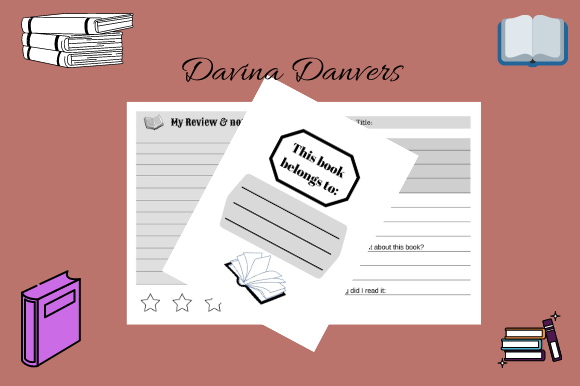
A Reading LogBook is designed to help you document and reflect on every book you read. Each page typically includes space for recording basic information such as the title, author, and date started or finished. Additionally, it features a rating system, usually out of 5 stars, allowing you to quickly gauge your overall impression of the book.
Key Features of a Reading LogBook
- Title and Author: Essential for identifying the book and its creator.
- Date: Helps in tracking when you read the book, useful for annual reviews or personal challenges.
- Rating System: A simple yet effective way to rate your experience, making it easier to recommend books to others.
- Notes Section: Space for jotting down memorable quotes, key takeaways, or personal reflections.
Why Use a Reading LogBook?
Using a Reading LogBook offers numerous benefits that can significantly enhance your reading experience. Here are some compelling reasons to start using one:
Enhanced Recall and Reflection
One of the primary advantages of a Reading LogBook is that it helps improve your memory of the books you read. By writing down key points, favorite quotes, and personal reflections, you reinforce what you've learned and can easily revisit these notes later.
Personalized Recommendations
With a well-maintained logbook, you can easily provide personalized book recommendations to friends, family, or colleagues. The detailed entries, including ratings and notes, make it straightforward to suggest books based on specific interests or preferences.
Tracking Reading Goals
Setting and achieving reading goals becomes more manageable with a Reading LogBook. Whether you aim to read a certain number of books per year or explore different genres, the logbook serves as a tangible record of your progress.
Real-World Applications of a Reading LogBook
The versatility of a Reading LogBook makes it a valuable tool across various contexts. Here are some examples of how different groups can benefit from using one:
For Educators
Teachers can use a Reading LogBook to track their own professional development reading, as well as to monitor and guide their students' reading habits. It provides a structured way to assess student comprehension and engagement with texts.
For Book Clubs
Members of book clubs can share their logbooks to compare notes, discuss themes, and evaluate the group's collective reading experience. This shared resource enhances the depth and quality of discussions.
For Writers and Researchers
Writers and researchers can use a Reading LogBook to gather and organize information from multiple sources. This is particularly useful for academic research, where keeping track of references and key findings is crucial.
Tips for Maximizing Your Reading LogBook
To get the most out of your Reading LogBook, consider the following tips:
- Be Consistent: Make it a habit to update your logbook regularly. Consistency is key to maintaining a comprehensive and useful record.
- Use Detailed Notes: Don't just write brief summaries; include specific details, quotes, and personal reflections to enrich your entries.
- Set Clear Goals: Define what you want to achieve with your reading, whether it's expanding your knowledge, improving your skills, or simply enjoying a good story.
- Review Regularly: Periodically review your logbook to refresh your memory and gain new insights from past readings.
Conclusion
A Reading LogBook is a powerful tool that can transform your reading experience. By providing a structured and organized way to document your reading journey, it enhances recall, facilitates personalized recommendations, and helps in achieving reading goals. Whether you are a professional, a student, or a casual reader, a Reading LogBook can be a valuable addition to your reading routine.