Streamlining Pesticide Management with a Pesticide Applicator Logbook
A pesticide applicator logbook is an essential tool for anyone involved in the application of pesticides, whether in agriculture, landscaping, or pest control. This comprehensive document not only helps in maintaining compliance with regulatory standards but also ensures that all necessary information is recorded accurately and systematically.
Why Use a Pesticide Applicator Logbook?
The primary purpose of a pesticide applicator logbook is to provide a detailed record of every pesticide application. This record-keeping is crucial for several reasons:
- Regulatory Compliance: Many regions have strict laws requiring detailed documentation of pesticide use. A well-maintained logbook helps meet these legal requirements.
- Safety and Health: Accurate records help in tracking any potential health issues or environmental impacts, ensuring the safety of both applicators and the public.
- Efficiency and Effectiveness: By documenting application details, you can analyze and optimize your pest management strategies, leading to more effective and efficient outcomes.
Key Features of a Pesticide Applicator Logbook
An ideal pesticide applicator logbook should include the following sections:
Personal Details and Application Date
Start by recording the personal details of the applicator, including their name, certification number, and contact information. Additionally, note the date of the pesticide application. This information is crucial for traceability and accountability.
Application Location
Document the exact location where the pesticide was applied. This could be a specific field, plot, or building. Providing precise location details is vital for future reference and for ensuring that the correct area is treated.
Start and Finishing Time
Record the start and finishing times of the application. This information helps in calculating the duration of the application and can be useful for scheduling and time management.
Applicator Details
Include the name and contact information of the person applying the pesticide. If multiple applicators are involved, list them all. This section should also include any relevant certifications and training details.
Pesticide Details
Provide a detailed description of the pesticide used, including the product name, active ingredients, and concentration. Also, note the amount of pesticide applied and the method of application (e.g., spray, granules, injection). This information is essential for both regulatory compliance and future reference.
Crop Details
If the pesticide is being applied to crops, record the type of crop, its stage of growth, and any other relevant agricultural details. This information helps in assessing the effectiveness of the treatment and in making informed decisions about future applications.
Weather Details
Note the weather conditions during the application, such as temperature, wind speed, and precipitation. Weather conditions can significantly impact the effectiveness of the pesticide and the safety of the application process.
Notes Section
Include a notes section where you can add any additional observations, incidents, or comments. This section can be used to document any unusual circumstances, equipment malfunctions, or other relevant information.
Modern Workflow Integration
In today's digital age, a pesticide applicator logbook can be seamlessly integrated into modern workflows. Many logbooks are now available in digital formats, such as PDFs, which can be easily uploaded and shared. This digital format offers several advantages:
- Accessibility: Digital logbooks can be accessed from anywhere, at any time, making it easier to review and update information.
- Searchability: With digital documents, you can quickly search for specific entries, making it easier to find and reference past applications.
- Data Analysis: Digital logbooks can be easily imported into data analysis tools, allowing for more in-depth analysis and reporting.
Ready to Upload Interior and File Formats
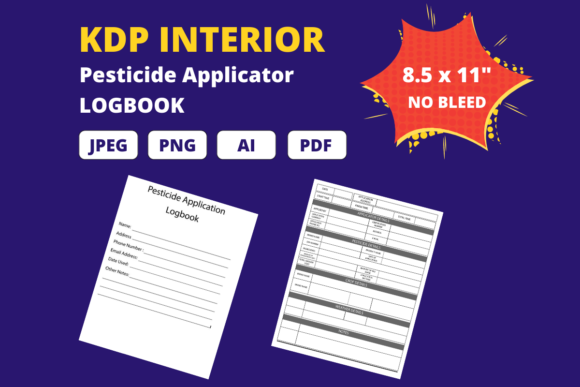
Our pesticide applicator logbook is designed to be user-friendly and ready to upload. The interior is meticulously organized, with 100 pages of structured forms. The logbook is available in a standard 8.5" x 11" size, making it easy to print and use. Additionally, the logbook comes in various file formats, including PDF, JPEG, PNG, and AI, to suit different needs and preferences. All files are provided at 300 dpi, ensuring high-quality prints and clear, legible text.
Practical Benefits and Considerations
Using a pesticide applicator logbook offers numerous practical benefits, including:
- Improved Record-Keeping: A well-organized logbook ensures that all necessary information is recorded in a systematic and consistent manner.
- Better Decision-Making: Detailed records help in analyzing the effectiveness of different pesticides and application methods, leading to better decision-making and more effective pest management.
- Enhanced Safety: Accurate records of pesticide use and weather conditions help in identifying and mitigating potential safety risks.
When choosing a pesticide applicator logbook, consider the following factors:
- Format and Layout: Choose a logbook with a clear and intuitive layout that makes it easy to record and access information.
- Durability: Opt for a logbook that is durable and can withstand the rigors of field use. Spiral-bound or hardcover options are often more robust.
- Compatibility: Ensure that the logbook is compatible with your existing systems and workflows. A digital logbook that can be easily uploaded and shared is often the best choice.
Conclusion
A pesticide applicator logbook is an indispensable tool for anyone involved in pesticide application. It not only helps in maintaining regulatory compliance but also enhances the efficiency and effectiveness of pest management. With its comprehensive features, user-friendly design, and versatile file formats, our logbook is the perfect solution for modern pesticide management. Whether you are a farmer, landscaper, or pest control professional, a well-maintained logbook is a valuable asset in your toolkit.