Strategic Use of How to Draw Kdp Practice Worksheet for Enhanced Learning and Creativity
Understanding the Value of How to Draw Kdp Practice Worksheet
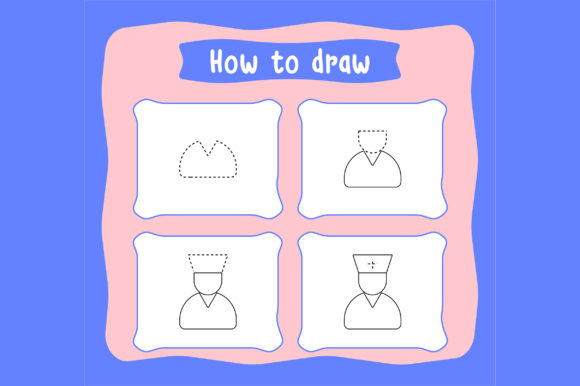
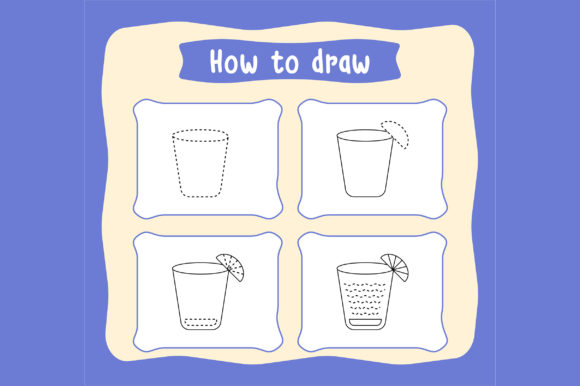
How to Draw Kdp Practice Worksheet is a versatile and valuable tool designed to enhance drawing skills, creativity, and learning. This resource, which includes an editable EPS file and a high-resolution 300 DPI JPG file, is perfect for educators, parents, and content creators looking to engage and inspire young learners. The worksheet serves as both a practice tool and a coloring page, making it an ideal addition to any high-content book business.
Supporting Educational and Creative Goals
Thoughtful use of How to Draw Kdp Practice Worksheet can significantly support various educational and creative goals. For educators, this tool can be integrated into lesson plans to foster fine motor skills, hand-eye coordination, and artistic expression. Parents can use these worksheets to provide their children with engaging and educational activities at home. Content creators and small business owners can leverage these resources to create high-quality, visually appealing books and materials that stand out in the market.
When and How to Use How to Draw Kdp Practice Worksheet
Deciding when and how to use How to Draw Kdp Practice Worksheet is crucial for maximizing its benefits. Here are some strategic considerations:
- Age-Appropriate Use: Tailor the complexity of the drawings to the age and skill level of the users. For toddlers and preschoolers, simpler shapes and lines are more appropriate, while older children and adults can benefit from more detailed and challenging designs.
- Integration into Curricula: Incorporate the worksheets into existing curricula or activity plans. This can help in reinforcing learning objectives and providing a structured yet creative environment.
- Thematic Projects: Use the worksheets as part of themed projects. For example, if you are creating a book about animals, include animal-themed drawing exercises to complement the content.
Practical Examples and Planning Tips
To effectively use How to Draw Kdp Practice Worksheet, consider the following practical examples and planning tips:
- Classroom Activities: Organize a drawing session where students can follow the step-by-step instructions on the worksheet. This not only enhances their drawing skills but also encourages focus and concentration.
- Home Learning: Provide parents with a set of worksheets to use as part of a home learning program. This can be particularly useful during school breaks or as a supplement to regular school activities.
- Book Creation: When creating a high-content book, include a section dedicated to drawing and coloring. This interactive element can make the book more engaging and memorable for readers.
Risks and Considerations
While How to Draw Kdp Practice Worksheet offers numerous benefits, it's important to use it with clear goals and context. Using the worksheet without a well-defined purpose can lead to disengagement and a lack of meaningful learning. Here are some key considerations:
- Clear Objectives: Define what you want to achieve with the worksheet. Whether it's improving drawing skills, enhancing creativity, or supporting a specific theme, having clear objectives will guide your approach.
- Engagement Levels: Monitor the engagement levels of the users. If the tasks are too simple or too complex, they may lose interest. Adjust the difficulty to keep the users engaged and motivated.
- Feedback and Adaptation: Gather feedback from users and adapt the worksheets as needed. This can help in refining the content and ensuring it meets the needs of the target audience.
Conclusion: Intentional Use for Long-Term Success
By using How to Draw Kdp Practice Worksheet intentionally, you can support a wide range of educational and creative goals. Whether you are an educator, parent, or content creator, this tool can be a valuable asset in fostering learning, creativity, and engagement. Remember to align the use of the worksheet with clear objectives, monitor engagement, and adapt as necessary to ensure long-term success and positive outcomes.